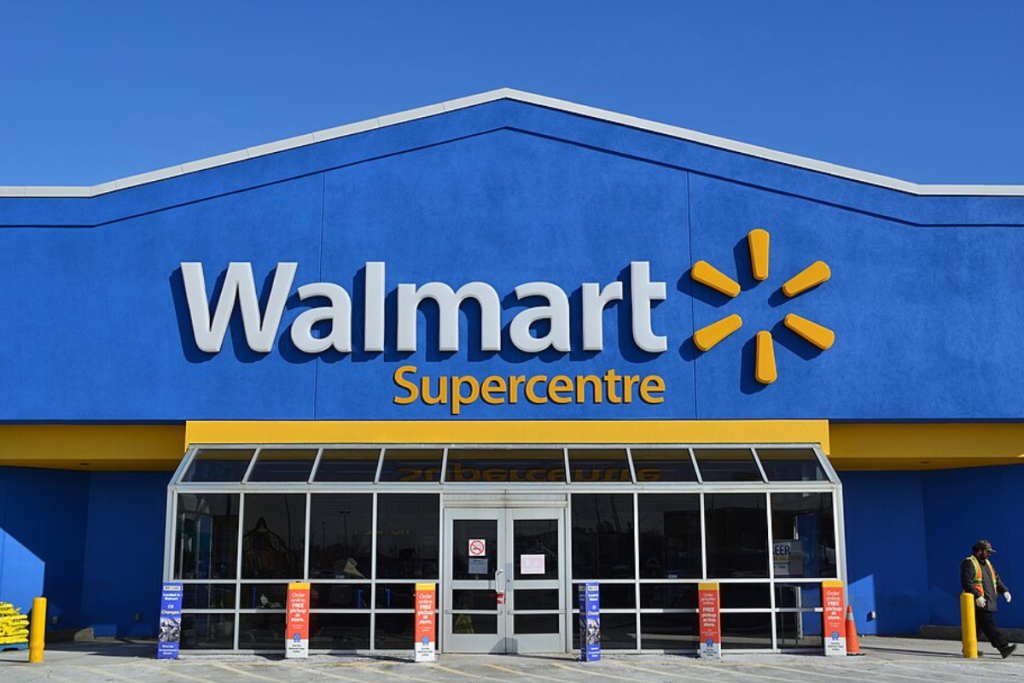
Walmart is extending RFID tracking into refrigerated and fresh-food aisles, aiming to cut waste and tighten inventory control where accuracy has traditionally lagged. The system, developed with Avery Dennison, is engineered for cold, high-moisture environments that have long challenged automation. By assigning each item a digital identity, Walmart can track freshness in real time, automate rotation and markdown cues, and cut manual checks that historically consumed staff hours.
RFID Targets Fresh-Category Blind Spots
Fresh inventory has historically been difficult to manage with barcodes and manual checks, leading to overstocks, early markdowns, and product spoilage. Walmart’s system creates a digital identity for each item in meat, bakery, and deli departments, enabling teams to monitor quality, verify sell-by timing, and trigger markdowns or replenishment with more precision.
Avery Dennison’s platform uses digital use-by dates and real-time item tracking, giving associates faster, automated visibility into what needs to be rotated or discounted. By reducing manual counting and date checks, Walmart aims to free store staff to spend more time in customer-facing roles, a priority the retailer has emphasized in recent operating updates. The company expects this to lower unsold food levels and support its goal of cutting operational food waste intensity in half by 2030.
Industry Momentum Builds Behind Item-Level Traceability
Walmart has been an early champion of RFID adoption in retail, but broader grocery participation is now gaining momentum as traceability rules tighten and waste costs rise. Kroger has launched its own Avery Dennison rollout, and Chipotle has been expanding RFID tagging across packaging as part of its food safety modernization efforts. Major packaged food manufacturers are also piloting digital identity programs as retailers set tighter shelf-life and shrink performance expectations.
Recent industry reports show global grocers are accelerating investments in automated freshness tracking, with RFID and computer vision often deployed together to create dynamic replenishment and markdown workflows. Walmart’s move signals that item-level visibility in perishables, once considered a costly and operationally complex frontier, is becoming a mainstream capability for large-scale food retail.
A Fresh Traceability Frontier
As RFID brings precise freshness and shrink data to the shelf level, suppliers will face clearer performance baselines around case-life delivery, temperature consistency, and spoilage patterns. That shift mirrors what apparel brands experienced when RFID exposed stock accuracy gaps a decade ago. In food retail, where FSMA traceability timelines are tightening and private-label penetration continues to rise, granular visibility could become a negotiation lever as retailers benchmark suppliers not only on cost and fill rate but on freshness integrity across the cold chain.