Distribution centers have added automation at a blistering pace, but quality control has lagged behind. Cartons still crack, labels misprint, and seals break, often unnoticed until the customer opens the box, or a regulator flags the error. The cost is rarely trivial: returns, compliance fines, and reputational scars stack up quickly when spot checks miss what matters.
Now, vision systems embedded in drones and robotic arms are turning inspection from a backstop into a real-time safeguard. By flagging defects during handling instead of after shipment, operators are compressing error-detection cycles and keeping throughput moving. The early gains suggest a shift as consequential as the arrival of the barcode: quality assurance woven directly into the flow of fulfillment.
From Spot Checks to Continuous Inspection
Traditional quality assurance depends on workers catching defects visually while picking, packing, or loading. This process is slow, inconsistent, and prone to human fatigue. Once errors escape detection, the costs multiply, returns, write-offs, regulatory penalties, and reputational damage.
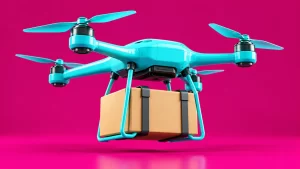
Robotics and drones, already central to intralogistics, are now doubling as mobile inspectors. Fitted with high-resolution cameras and thermal or hyperspectral sensors, they scan SKUs for crushed corners, barcode misprints, or compromised seals as part of routine handling. AI models trained on thousands of defect images detect anomalies within milliseconds and flag items for re-inspection or rework.
Trials by parcel integrators and consumer-goods warehouses suggest the payoff is material: automated inspection reduces return rates by double digits and compresses the cycle time between error detection and correction. For operators, the difference is less disruption downstream and more throughput kept in flow.
Building the Vision-Led QA Stack
Sensor-Equipped Robotics: The hardware layer begins with robotics already central to intralogistics. Robotic arms fitted with high-resolution cameras capture detailed images during routine picking and placing, ensuring every carton handled is also inspected. Overhead drones extend visibility to areas traditionally difficult to reach, such as high racking or congested staging zones. Multi-angle imaging means packaging integrity and label clarity are checked without slowing material flow. In practice, this replaces inconsistent manual spot checks with continuous coverage across the entire warehouse footprint.
AI Defect Recognition: At the core sits the vision intelligence. Machine learning models trained on vast image libraries can detect anomalies in milliseconds, whether it’s a dented carton, a barcode misaligned by a few millimeters, or shrink wrap beginning to tear. Unlike human inspectors, these models don’t fatigue, and their accuracy compounds as error logs accumulate. The more anomalies they encounter, the better the algorithms become at identifying subtle issues, from tampered seals to faint print errors that could jam downstream scanning systems.
Real-Time WMS Integration: Detection is only useful if it triggers action. That’s where real-time integration with warehouse management systems (WMS) comes in. Once an anomaly is flagged, the system can automatically divert the item to a rework station, mark it for secondary inspection, or adjust inventory counts to prevent a faulty shipment from reaching a customer. This integration shortens the interval between detection and correction, turning quality control into a live safeguard rather than a retrospective audit.
Feedback Loops to Upstream Processes: Vision data doesn’t stop at the warehouse floor. Each captured defect becomes a datapoint that can be sent back upstream to suppliers, packaging teams, or even contract manufacturers. For procurement teams, these loops highlight recurring issues by vendor or SKU, creating leverage for corrective action or packaging redesign. Over time, this closes the gap between detection and prevention, reducing defect inflow before goods even reach the distribution center.
Compliance and Audit Logging: Every flagged item generates a digital record, complete with timestamped imagery and system actions. This creates an automated audit trail that serves multiple purposes: meeting regulatory packaging standards, supporting insurance or damage claims, and fueling continuous improvement initiatives. For heavily regulated industries like pharmaceuticals or food, these logs reduce compliance risk and eliminate the paper-based burden of traditional inspection protocols.
When Inspection Becomes Prevention
By embedding vision systems directly into handling flows, operators are turning QA into a continuous, preventative discipline. As customer expectations tighten and regulators scrutinize packaging integrity, the next differentiator will be who can guarantee product quality without slowing throughput. In a network where delays compound quickly, vision-led inspection isn’t just about catching damage, it’s about preventing the reputational and financial damage that follows.