Middle East disruption is now a direct test of how fast supply networks can reconfigure under geopolitical shock, not a distant regional issue. Senior leaders are being pushed to convert real-time conflict intelligence into routing changes, budget resets and end-to-end risk narratives within days, not months.
Turning Conflict Alerts Into a Coordinated Operating Plan
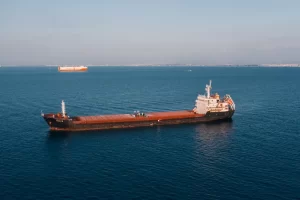
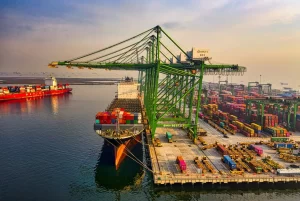
The latest escalation across the Middle East is already reshaping global transportation flows. Trade lanes touching the region face at least 12 months of turbulence, with expectations of rate increases of about 40 percent, higher fuel surcharges and new war risk fees that reach up to $2,000 per twenty-foot container. Ocean carriers are rerouting or avoiding high-risk corridors, and air capacity is tightening as more freight shifts off the water.
The immediate task is logistics triage. Network teams need to switch lanes where alternatives exist, secure capacity with backup carriers, and prepare for longer transit times on any routing that skirts conflict zones. When no credible alternative lane exists, incumbents have to be managed with daily contact and clear visibility into schedule changes, port calls and transshipment risk. This is the phase where transportation decisions can quietly redefine margin and service levels for the next several quarters.
Short-term survival depends on inventory choices made now. Enterprises are being advised to prioritize critical stock, concentrate safety buffers on revenue-defining items and extend planning lead times to reflect longer and less predictable routes. That requires rapid assessment of raw materials, in-process inventory and finished goods that either transit the region or depend on suppliers based there. Planning, manufacturing, procurement and logistics cannot operate in separate streams; the conflict becomes a shared constraint in a single, integrated plan.
The governance load on senior leadership rises sharply in these conditions. C-level peers expect a clear articulation of how the network is exposed, how much revenue sits behind endangered flows and what trade-offs exist between cost, service and risk. The most effective responses start from revenue and strategic objectives, then map back to lanes, nodes and contracts. War surcharges, emergency airfreight and new routing costs need to be framed as conscious choices against those objectives, not as unavoidable cost creep.
From Disruption Response To Structural Risk Redesign
Once the first wave of routing changes is in motion, attention must move to the cost and capital implications. Budget reviews with finance need to stress-test transportation spend under different escalation paths: prolonged diversions around conflict zones, further capacity withdrawals by carriers or extended use of premium modes such as air. Scenario work should quantify not only direct freight inflation but also the working capital impact of longer pipelines and potentially higher stock positions.
Risk assessment cannot stay at the level of headlines. Enterprises need a structured view of which products and components originate in, pass through or are destined for Middle East markets, how substitution options look by category, and which contracts or customer commitments sit on those flows. That view forms the basis for targeted sourcing diversification, dual routing or even redesign of product portfolios in extreme cases. Industry reports already highlight that firms with prebuilt regional redundancy recovered faster from previous canal closures and port blockages.
Energy markets are an obvious concern, but the underlying data points to nuance. Iran represents roughly 4 percent of global crude production and about 6 percent of natural gas output. Damage to that capacity would hurt countries heavily reliant on those exports, including major Asian importers, yet global crude supply remains in surplus by several million barrels per day according to recent estimates. Oil price spikes can still feed into bunker and jet fuel surcharges, but for many enterprises the larger operational risk sits in rerouted vessels, congestion and schedule volatility.
Conflict also demands a different leadership posture. Executive teams expect synthesis, not news recaps. The task is to interpret how the conflict interacts with existing strategic bets: nearshoring programs, exposure to single corridors, concentration of distribution in a few regional hubs and dependence on specific carrier alliances. Forward-looking leaders are using this moment to validate whether their recent investments in visibility platforms, control towers and risk analytics translate into measurable recovery speed and revenue protection.
Using a Regional Shock To Refine Global Discipline
Geopolitical disruption in one corridor often exposes weaknesses that exist elsewhere in the network but have not yet been stressed. Enterprises that document how decisions were made in the current crisis, which signals proved useful and where coordination lagged create a practical playbook that can be reused for cyber incidents, climate events or port labor disputes. Treating this incident as a source of hard data on response patterns builds a more disciplined foundation for future capital allocation, contracting strategy and network design reviews.