
Automation Faces Its Biggest Test When Supply Chain Plans Change
Automation investment is increasingly being judged by what happens when labor is scarce, demand changes quickly or logistics networks come under pressure. The latest State

Automation investment is increasingly being judged by what happens when labor is scarce, demand changes quickly or logistics networks come under pressure. The latest State

eBay’s pickup-point direction reflects a broader shift toward orchestrated delivery nodes that lower last-mile cost by concentrating volume, widening customer choice and using existing capacity

Decision delays can erode value long before they appear as higher freight costs, excess inventory or weaker margins. Research highlighted by Anaplan and SupplyChainBrain suggests
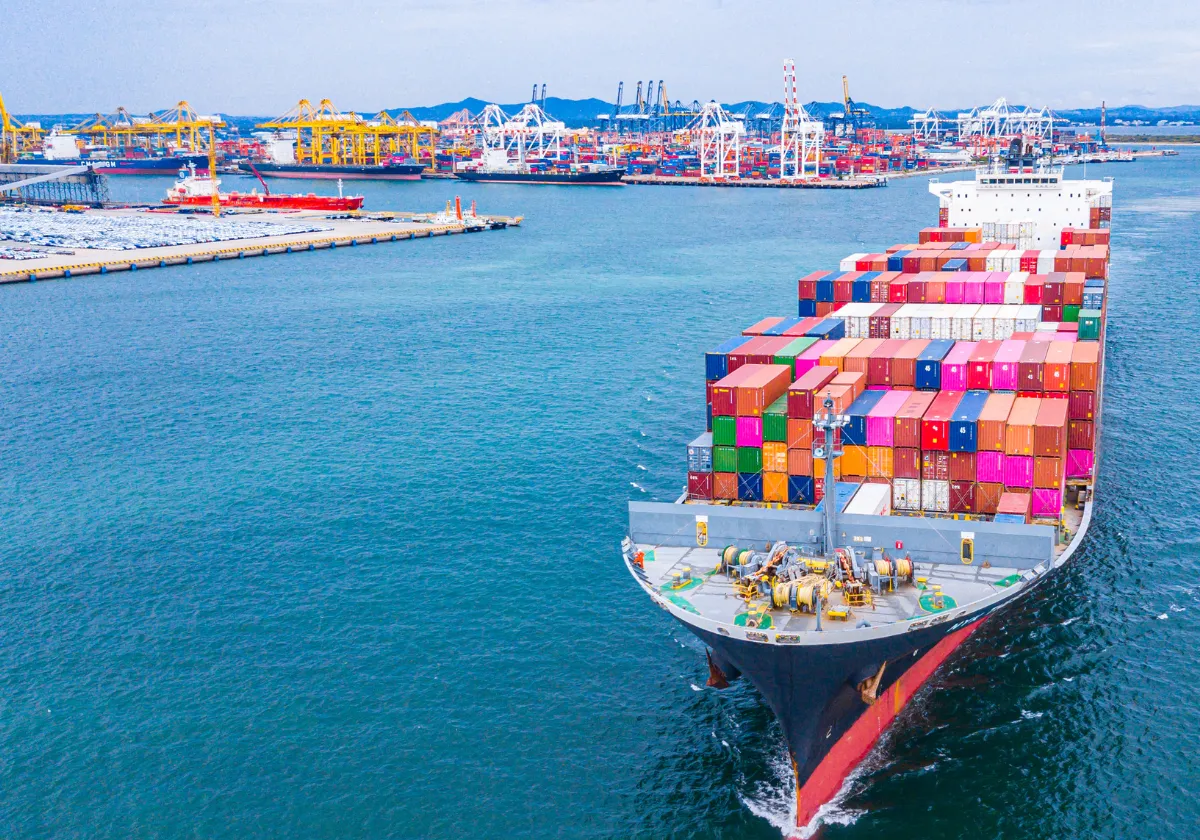
The Coupa Business Spend Index shows purchase orders in the Middle East and North Africa recovered more quickly than freight costs after disruption in the

Shipping route diversification can leave exposure intact when nominally separate suppliers and carriers still depend on the same chokepoint. BSI Consulting’s analysis of Middle East

Customs problems frequently originate far from the border. An incorrect product description, valuation figure or shipment detail entered into an invoice, warehouse record or transport

Transportation networks can detect disruptions faster than ever, but knowing that a shipment is late does not reroute the freight, secure replacement capacity or update

Vision AI warehouse automation is reshaping how existing facilities handle risk, throughput and labor, without waiting for new greenfield builds. As physical automation and AI
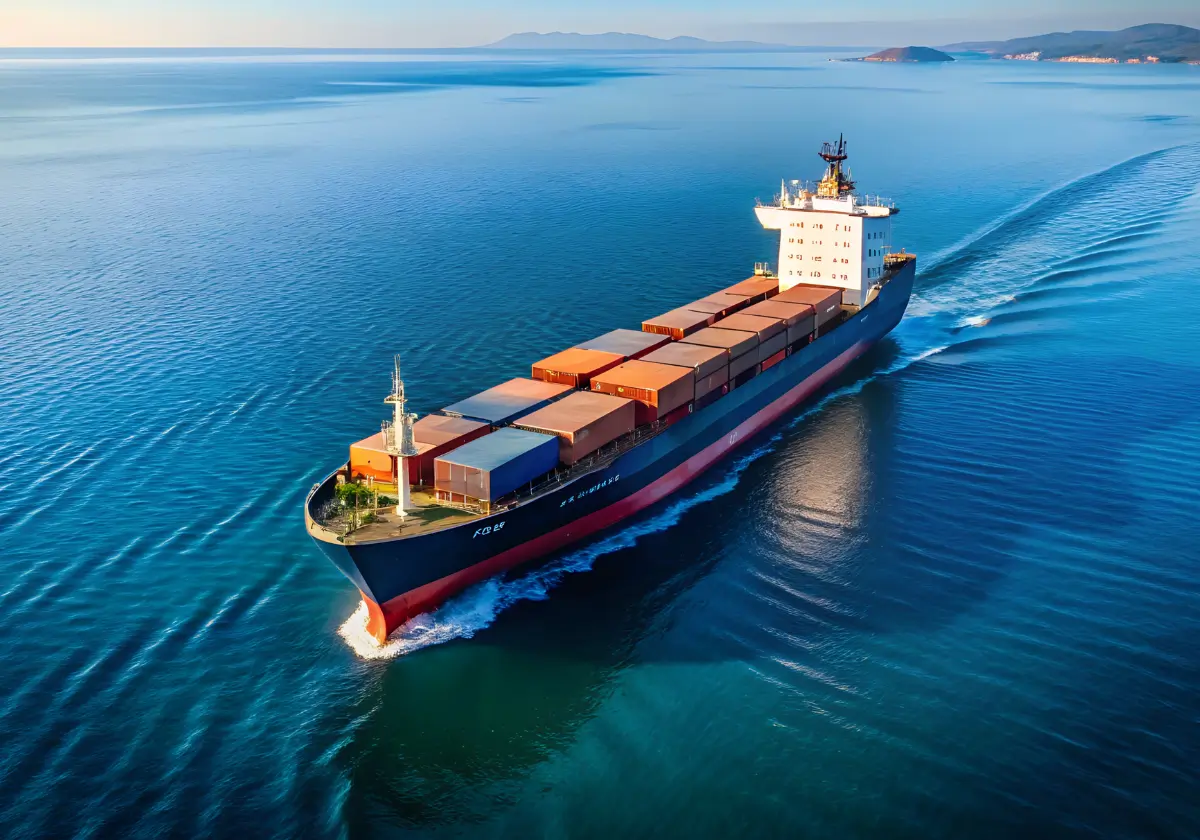
Internal approvals and workflow queues can consume as much time as supplier lead times, delaying purchasing decisions before an order is ever released. Measuring where

Warehouse capacity is increasingly shaped by how quickly facilities can absorb changing order profiles, sales channels and customer demand rather than by storage space alone.
Automation investment is increasingly being judged by what happens when labor is scarce, demand changes quickly or logistics networks come under pressure. The latest State
eBay’s pickup-point direction reflects a broader shift toward orchestrated delivery nodes that lower last-mile cost by concentrating volume, widening customer choice and using existing capacity
Decision delays can erode value long before they appear as higher freight costs, excess inventory or weaker margins. Research highlighted by Anaplan and SupplyChainBrain suggests
The Coupa Business Spend Index shows purchase orders in the Middle East and North Africa recovered more quickly than freight costs after disruption in the
Shipping route diversification can leave exposure intact when nominally separate suppliers and carriers still depend on the same chokepoint. BSI Consulting’s analysis of Middle East
Customs problems frequently originate far from the border. An incorrect product description, valuation figure or shipment detail entered into an invoice, warehouse record or transport
Transportation networks can detect disruptions faster than ever, but knowing that a shipment is late does not reroute the freight, secure replacement capacity or update
Vision AI warehouse automation is reshaping how existing facilities handle risk, throughput and labor, without waiting for new greenfield builds. As physical automation and AI
Internal approvals and workflow queues can consume as much time as supplier lead times, delaying purchasing decisions before an order is ever released. Measuring where
Warehouse capacity is increasingly shaped by how quickly facilities can absorb changing order profiles, sales channels and customer demand rather than by storage space alone.