
New U.S. Tariffs Prompt Strategic Pause in Supply Chains
New tariffs ranging from 10% to 46% will take effect in April, targeting key apparel-producing nations and raising the stakes for globally integrated manufacturers. Apparel

New tariffs ranging from 10% to 46% will take effect in April, targeting key apparel-producing nations and raising the stakes for globally integrated manufacturers. Apparel
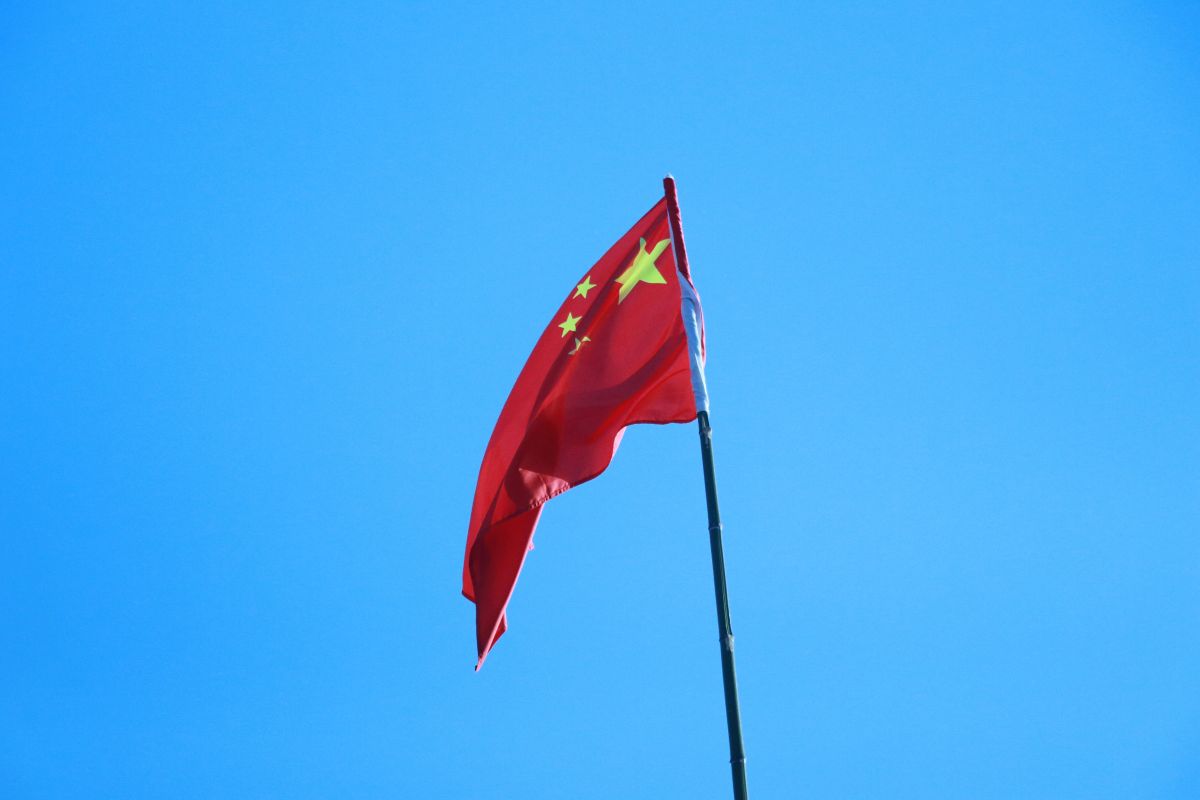
Starting April 10, China will apply steep new tariffs on U.S. imports in direct retaliation to Washington’s reciprocal trade measures, targeting key industrial sectors. Tit-for-Tat
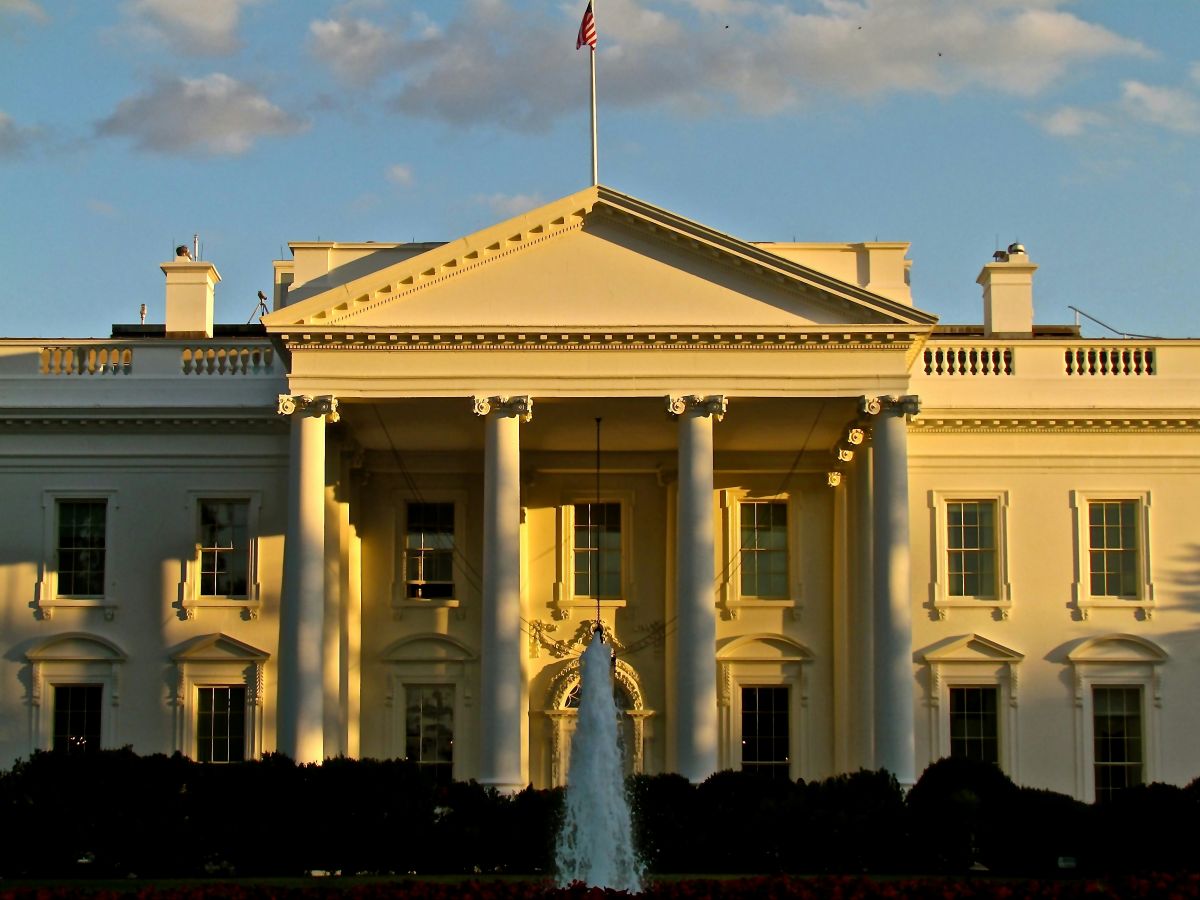
Despite claims of reciprocity, the U.S. administration’s new tariff methodology appears rooted in trade deficit figures, raising concerns about transparency and potential supply chain disruptions.
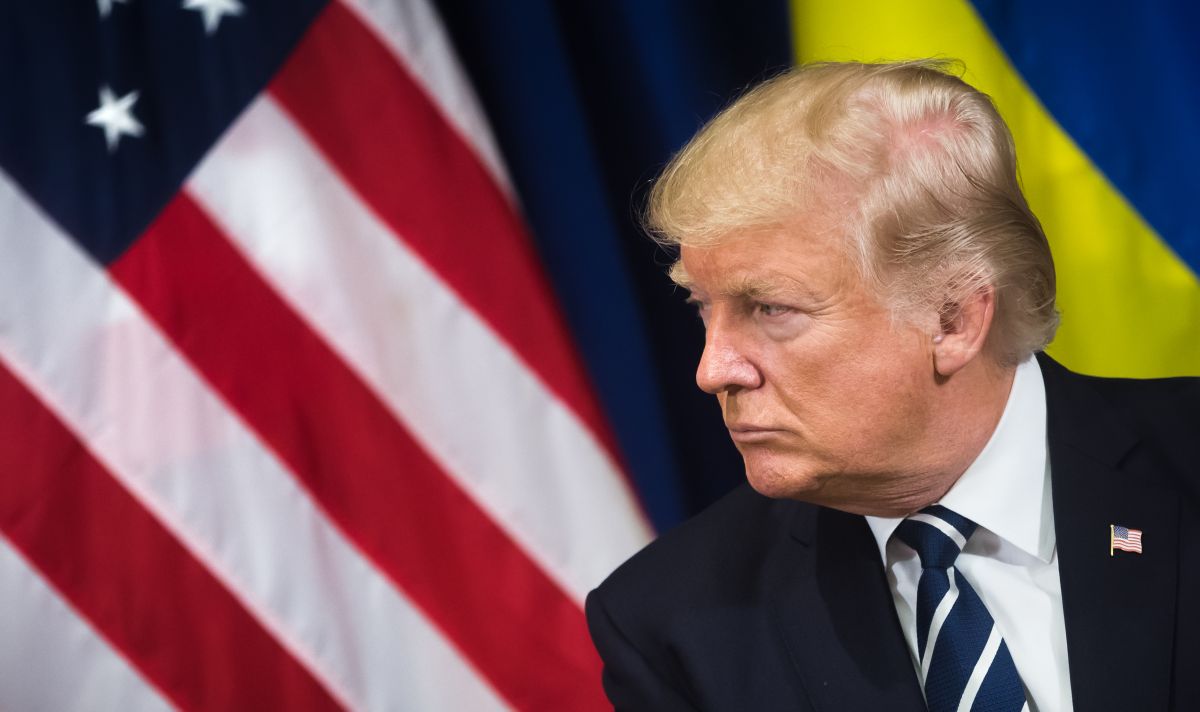
Despite sweeping tariff actions targeting dozens of countries, Russia is notably absent—raising questions about trade policy consistency, sanction overlap, and geopolitical positioning. A Notable Omission
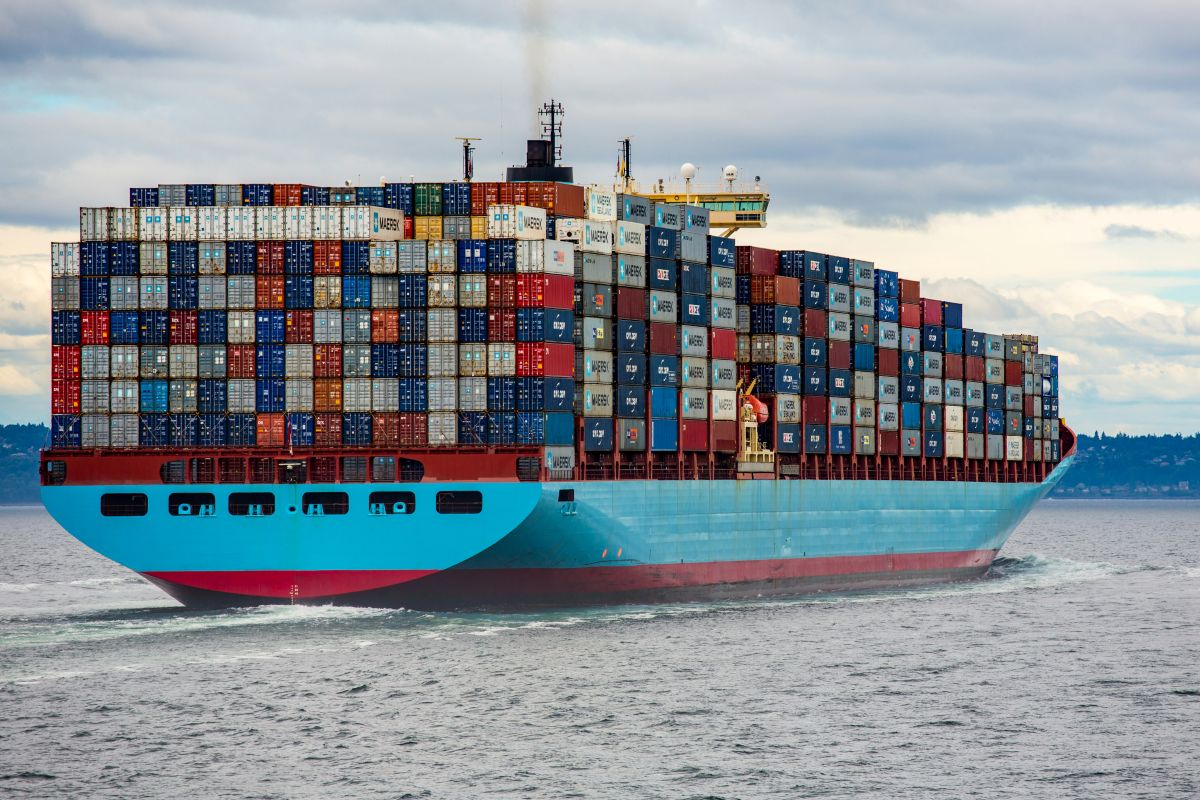
From May 2, the U.S. will revoke the de minimis duty exemption for most imports from China and Hong Kong, signaling broader tariff enforcement and
Announced just hours ago, Trump’s sweeping import tariffs—ranging from 10% to 50%—will take effect next week, forcing urgent reassessment of sourcing, logistics, and global supplier

Elimination of key labor monitoring contracts sparks backlash from apparel industry groups, who warn the move weakens protections against forced labor and undermines global sourcing
A sweeping new wave of U.S. tariffs threatens to destabilize global supply chains, with early forecasts pointing to economic contraction, job losses, and escalating trade
A new 25% U.S. tariff on autos and components has sparked concern across the automotive supply chain, yet its near-term impact may prove limited as

The automaker’s $5.8 billion steel plant in Louisiana is a cornerstone of its commitment to domestic production. Hyundai Doubles Down on U.S. Operations Hyundai Motor
New tariffs ranging from 10% to 46% will take effect in April, targeting key apparel-producing nations and raising the stakes for globally integrated manufacturers. Apparel
Starting April 10, China will apply steep new tariffs on U.S. imports in direct retaliation to Washington’s reciprocal trade measures, targeting key industrial sectors. Tit-for-Tat
Despite claims of reciprocity, the U.S. administration’s new tariff methodology appears rooted in trade deficit figures, raising concerns about transparency and potential supply chain disruptions.
Despite sweeping tariff actions targeting dozens of countries, Russia is notably absent—raising questions about trade policy consistency, sanction overlap, and geopolitical positioning. A Notable Omission
From May 2, the U.S. will revoke the de minimis duty exemption for most imports from China and Hong Kong, signaling broader tariff enforcement and
Announced just hours ago, Trump’s sweeping import tariffs—ranging from 10% to 50%—will take effect next week, forcing urgent reassessment of sourcing, logistics, and global supplier
Elimination of key labor monitoring contracts sparks backlash from apparel industry groups, who warn the move weakens protections against forced labor and undermines global sourcing
A sweeping new wave of U.S. tariffs threatens to destabilize global supply chains, with early forecasts pointing to economic contraction, job losses, and escalating trade
A new 25% U.S. tariff on autos and components has sparked concern across the automotive supply chain, yet its near-term impact may prove limited as
The automaker’s $5.8 billion steel plant in Louisiana is a cornerstone of its commitment to domestic production. Hyundai Doubles Down on U.S. Operations Hyundai Motor