
Deutsche Bank Integrates ESG Into Supply Chain Systems
Another year of disruption has sharpened the financial consequences of environmental and operational risk across global supply chains. Extreme weather events, energy volatility, and tightening

Another year of disruption has sharpened the financial consequences of environmental and operational risk across global supply chains. Extreme weather events, energy volatility, and tightening

Supply chain planning technology initiatives continue to underdeliver, not because the tools lack capability, but because organizations frame the work too narrowly. Recent implementation reviews

GE Aerospace is formalising an end-to-end engine lifecycle operating model that treats every engine as a long-lived asset under continuous orchestration, not a series of
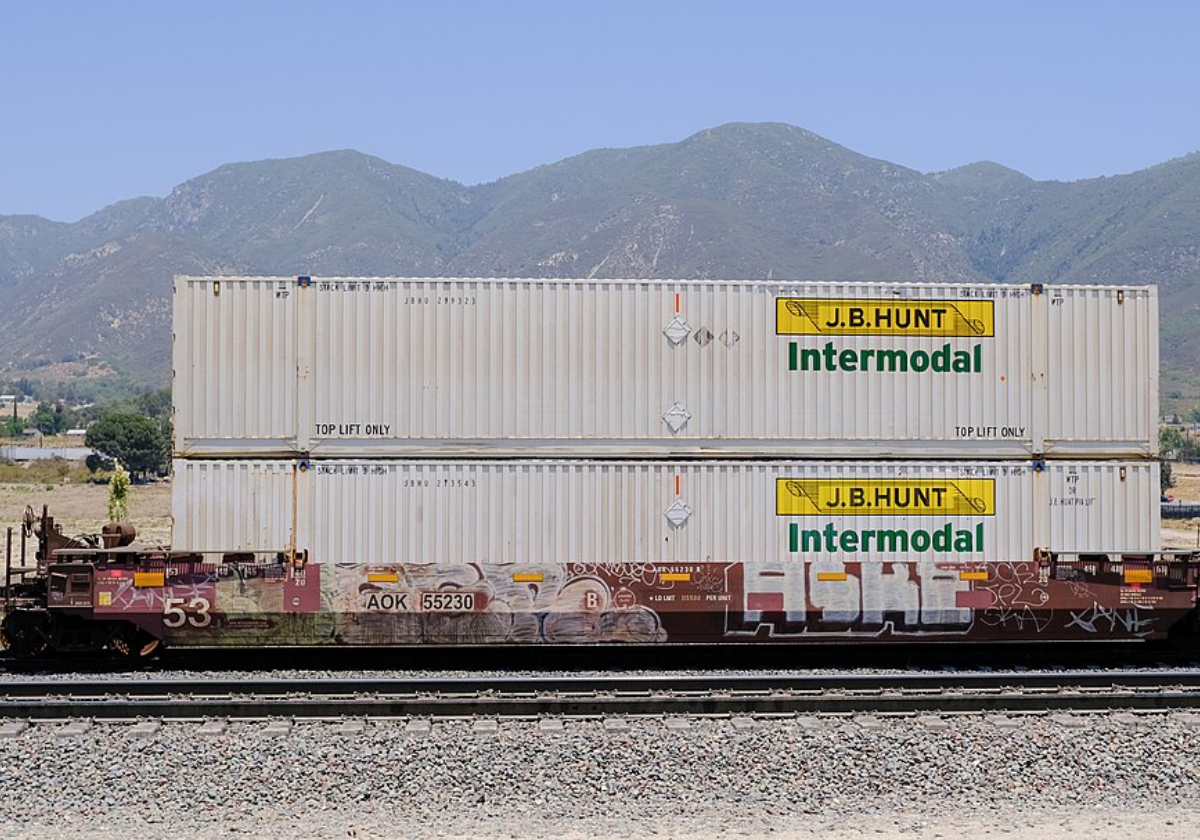
J.B. Hunt is using a $100m-plus cost-to-serve reset to decouple margin from freight cycles and harden its network in a fragile trucking market. In Brief

Freeport-McMoRan is recasting its growth model around low-capex leach technologies that turn legacy stockpiles into scalable copper capacity, reshaping how supply, cost, and risk are

Intel is shifting its capacity strategy toward faster yield gains and heavier tooling of existing space, delaying major new fab shells until demand is committed

AbbVie has become the 16th of 17 major drugmakers to formalize a voluntary agreement with the Trump administration, committing US$100bn to domestic investment over the

Return fraud is climbing alongside e-commerce growth, adding new pressure to margins already strained by fulfillment and processing costs. A new LiquiDonate report shows how

Inventory decisions are increasingly shaped by systems that can interpret demand signals, operational constraints, and logistics data at machine speed. As data volumes grow across

Mondelez is using a multiyear overhaul of its North America biscuit network to reset cost, service, and route-to-market logic in a structurally weaker demand environment.
Another year of disruption has sharpened the financial consequences of environmental and operational risk across global supply chains. Extreme weather events, energy volatility, and tightening
Supply chain planning technology initiatives continue to underdeliver, not because the tools lack capability, but because organizations frame the work too narrowly. Recent implementation reviews
GE Aerospace is formalising an end-to-end engine lifecycle operating model that treats every engine as a long-lived asset under continuous orchestration, not a series of
J.B. Hunt is using a $100m-plus cost-to-serve reset to decouple margin from freight cycles and harden its network in a fragile trucking market. In Brief
Freeport-McMoRan is recasting its growth model around low-capex leach technologies that turn legacy stockpiles into scalable copper capacity, reshaping how supply, cost, and risk are
Intel is shifting its capacity strategy toward faster yield gains and heavier tooling of existing space, delaying major new fab shells until demand is committed
AbbVie has become the 16th of 17 major drugmakers to formalize a voluntary agreement with the Trump administration, committing US$100bn to domestic investment over the
Return fraud is climbing alongside e-commerce growth, adding new pressure to margins already strained by fulfillment and processing costs. A new LiquiDonate report shows how
Inventory decisions are increasingly shaped by systems that can interpret demand signals, operational constraints, and logistics data at machine speed. As data volumes grow across
Mondelez is using a multiyear overhaul of its North America biscuit network to reset cost, service, and route-to-market logic in a structurally weaker demand environment.