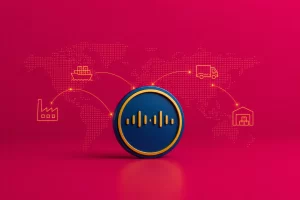
The rapid expansion of global commerce and digital retail has transformed how products move across supply chains. Organizations increasingly rely on third party logistics providers to manage transportation, warehousing, and distribution operations that once sat entirely in house. As supply chains grow more complex, the role of 3PL providers has evolved from simple freight coordination to strategic logistics orchestration.
Recent trade reports indicate that the 3PL industry continues to expand as companies prioritize agility, cost control, and resilience in their logistics networks. By partnering with experienced 3rd party logistics companies, businesses gain access to established carrier networks, technology platforms, and operational expertise that would otherwise require significant internal investment.
The result is a logistics ecosystem where companies can focus on product innovation and customer experience while 3PL logistics companies handle the operational realities of moving goods across regions, warehouses, and fulfillment channels.
Understanding the Role of Third Party Logistics Providers
At its core, a third party logistics provider manages logistics activities on behalf of another company. These services typically include freight transportation, warehousing, inventory management, order fulfillment, and distribution planning. However, modern 3pl providers increasingly deliver broader capabilities such as supply chain analytics, network design, and integrated technology platforms.
Organizations turn to 3rd party logistics companies for several reasons.
First is scalability. Seasonal demand spikes, market expansions, or new product launches can quickly overwhelm internal logistics operations. A strong 3PL partner provides flexible capacity across warehousing and transport networks, allowing companies to adjust operations without heavy capital investment.
Second is operational efficiency. Leading 3pl logistics companies leverage advanced transportation management systems, warehouse automation, and data analytics to streamline fulfillment. This improves delivery performance while lowering logistics costs per shipment.
Third is access to expertise. Logistics operations require deep knowledge of carrier management, customs compliance, route optimization, and risk mitigation. Experienced third party logistics providers bring this specialized expertise, helping organizations avoid costly disruptions.
The value of 3PL partnerships becomes even clearer when supply chains face volatility. During periods of port congestion, carrier shortages, or sudden demand shifts, 3PL networks often provide alternative routes and capacity faster than internal logistics teams could build alone.
The Evolution of the 3PL Industry
The 3PL industry has changed dramatically over the past two decades. Earlier generations of providers focused primarily on transportation brokerage or contract warehousing. Today’s top third party logistics companies operate sophisticated, technology driven logistics ecosystems.
One of the biggest shifts has been the rise of data driven logistics management. Modern 3pl providers increasingly integrate real time visibility tools, predictive analytics, and automation technologies into their operations. This allows companies to monitor shipments across the supply chain, detect disruptions earlier, and make faster routing decisions.
Another major trend is the integration of digital commerce fulfillment. As online retail continues to grow, 3pl logistics companies now operate highly automated fulfillment centers designed to process large volumes of direct to consumer orders with rapid delivery expectations.
The industry has also seen a gradual shift toward more strategic logistics partnerships. Instead of simply executing shipments, many third party logistics providers now help organizations design distribution networks, optimize inventory placement, and evaluate logistics cost structures.
This evolution is partly why the logistics ecosystem now includes another model known as fourth party logistics.
The Relationship Between 3PL and Fourth Party Logistics Companies
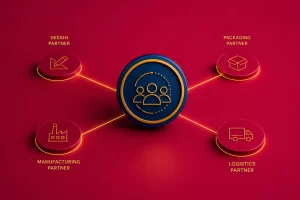
While 3PL providers focus on executing logistics services, fourth party logistics companies take a broader coordination role across the entire supply chain. A fourth party logistics provider typically manages multiple logistics partners, technology platforms, and operational processes through a centralized control model.
In practice, many organizations combine both approaches. They may work with several 3pl logistics companies for transportation and warehousing while relying on a single orchestrator to coordinate the network. This hybrid model can provide greater visibility and strategic oversight while maintaining operational flexibility.
The growing intersection between third party logistics providers and fourth party logistics companies reflects the increasing complexity of supply chains. As logistics networks span multiple carriers, warehouses, and geographies, coordination and real time visibility become essential.
Top Third Party Logistics Companies Leading the Market
The global logistics sector includes hundreds of providers, but a smaller group of top third party logistics companies consistently lead the market through scale, technology adoption, and operational capability.
1. DHL Supply Chain
DHL Supply Chain is widely recognized as one of the largest 3PL providers globally. The company operates extensive warehouse and distribution networks and provides services ranging from contract logistics to supply chain analytics. Its investment in automation, robotics, and sustainability initiatives has positioned it as a major innovator within the 3PL industry.
2. Kuehne + Nagel
Kuehne + Nagel is a leading logistics provider known for its strong capabilities in sea freight, air freight, and contract logistics. The company’s digital freight platforms and supply chain visibility tools have helped strengthen its role among top 3pl logistics companies worldwide.
3. DB Schenker
DB Schenker offers integrated logistics services that include freight forwarding, contract logistics, and supply chain management solutions. The company continues to expand its logistics technology platforms and sustainability initiatives as demand grows for efficient global transportation networks.
4. UPS Supply Chain Solutions
UPS Supply Chain Solutions provides a wide range of logistics services including freight management, distribution, and international trade compliance. Its integrated parcel and logistics infrastructure allows the company to provide end to end solutions across transportation and fulfillment operations.
5. XPO Logistics
XPO Logistics is known for its expertise in transportation brokerage, last mile delivery, and technology driven logistics platforms. Its data analytics capabilities and large carrier network have made it one of the fastest growing 3rd party logistics companies in recent years.
6. C.H. Robinson
C.H. Robinson operates one of the largest digital freight marketplaces in the logistics sector. The company connects shippers with carriers through advanced logistics platforms that provide visibility, capacity sourcing, and freight optimization capabilities.
7. Ryder Supply Chain Solutions
Ryder has built a strong reputation for contract logistics, dedicated transportation, and supply chain engineering services. The company works with organizations across industries to design distribution networks and improve operational efficiency.
8. GXO Logistics
GXO Logistics specializes in contract logistics and warehouse automation. The company operates highly advanced distribution centers that use robotics, artificial intelligence, and data analytics to improve fulfillment productivity.
9. Nippon Express
Nippon Express provides international logistics services with strengths in freight forwarding and supply chain management. Its global network and integrated logistics platforms support complex distribution operations across industries.
10. Expeditors International
Expeditors focuses heavily on freight forwarding and customs brokerage while offering supply chain visibility and logistics management services. Its expertise in international trade compliance makes it a valuable partner for companies operating across multiple markets.
Why Companies Continue to Invest in 3PL Partnerships?
Despite advances in logistics technology, many organizations continue to rely heavily on third party logistics providers. The reasons extend beyond cost savings.
One key advantage is network reach. Large 3pl providers operate distribution centers and transportation networks across multiple regions. This allows companies to expand their logistics footprint quickly without building new infrastructure.
Another factor is speed to market. Launching a new product or entering a new market requires immediate logistics capacity. 3PL logistics companies already have carrier contracts, warehouse space, and operational processes in place, allowing businesses to scale faster.
Risk management also plays a role. Logistics disruptions can quickly affect customer service levels and operational costs. Experienced 3rd party logistics companies help mitigate these risks through diversified carrier networks and contingency planning.
According to logistics industry reports, many companies now evaluate logistics partners not only on cost but also on technology capability and operational transparency. Providers that deliver strong shipment visibility and data analytics are increasingly favored in logistics partnerships.
Technology Transforming the 3PL Landscape
Technology adoption has become a defining feature of the modern 3PL industry. Digital platforms now connect shippers, carriers, warehouses, and customers through integrated logistics ecosystems.
Transportation management systems enable 3pl providers to optimize routing, consolidate shipments, and improve carrier selection. Warehouse management systems automate inventory tracking, order picking, and fulfillment processes.
Emerging technologies such as artificial intelligence and predictive analytics are also playing a growing role. These tools analyze shipment data to forecast disruptions, predict demand fluctuations, and recommend alternative logistics routes.
Automation is another major development within top third party logistics companies. Robotics and automated picking systems help distribution centers process orders faster while reducing labor intensity. As logistics networks continue to expand, technology will remain central to improving visibility, coordination, and operational efficiency across the supply chain.
Logistics Strategy Is Now About Orchestration, Not Just Transportation
The traditional perception of third party logistics providers as transportation vendors is quickly fading. Today’s logistics environment requires partners that can coordinate inventory flows, integrate technology platforms, and respond rapidly to disruptions.
This shift is why the boundary between 3PL providers and fourth party logistics companies continues to blur. Many logistics providers now offer consulting, network design, and supply chain optimization services in addition to operational execution.
For organizations navigating increasingly complex logistics networks, choosing the right partner is less about selecting a freight vendor and more about building a long term logistics capability.
The Quiet Shift That Will Redefine Logistics Partnerships
While the industry often focuses on technology, the more significant shift may be structural. Logistics providers are gradually moving from transactional service models to strategic supply chain partnerships.
Trade data and industry research increasingly show that companies with integrated logistics partners achieve stronger delivery reliability and improved cost visibility. As supply chains become more interconnected, the ability to orchestrate transportation, warehousing, and data across multiple partners will become a defining competitive advantage.
In the coming years, the 3PL industry may evolve further into a network of highly connected logistics ecosystems where third party logistics providers, digital platforms, and orchestrators work together to manage increasingly complex supply chains.
The companies that adapt to this model will not simply move freight more efficiently. They will help shape how global supply chains operate in the next decade.