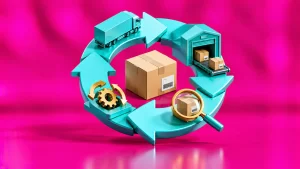
DHL Supply Chain has launched its nationwide ReTurn Network, a shared, multi-client reverse logistics platform aimed at tackling the escalating cost and complexity of product returns. The system integrates proprietary AI-driven technology with a network of purpose-built facilities to deliver cost savings, sustainability gains, and operational resilience.
Shared Facilities and Smarter Decisions
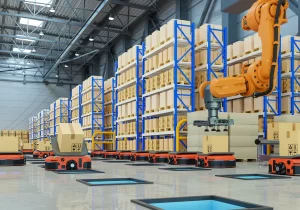
The DHL ReTurn Network enables companies to manage returns without investing in new infrastructure, offering an estimated 10–50% savings through its shared network of facilities. Each site is engineered for multi-client use, allowing retailers, manufacturers, and e-commerce players to consolidate returns processing under one scalable system.
At the center of the platform is ReSKU, DHL’s proprietary decision-tree engine that standardizes and accelerates returns processing. This system uses advanced analytics to track product flow, identify trends, and surface optimization opportunities across return channels, from in-store drop-offs to direct mail returns. The network also integrates with return initiators and host partners, enabling a complete closed-loop system for handling, refurbishment, and resale.
Expanding Value Recovery and Sustainability Goals
Beyond logistics efficiency, the ReTurn Network is designed to recover maximum value from returned products while minimizing landfill waste. DHL’s acquisition of technology rights from Arrive Recommerce expands its remarketing capabilities, offering customers new avenues for resale and liquidation. According to DHL, the national network also helps businesses manage warehouse and labor costs more dynamically, particularly useful during periods of demand volatility and inventory fluctuation.
“By combining shared facilities with data-driven decision-making, we’re helping customers address one of the biggest pain points in modern e-commerce: the cost and sustainability impact of returns,” said Kraig Foreman, president of e-commerce for DHL Supply Chain North America, in an official statement.
Reverse Logistics as a Data Advantage
What’s emerging through initiatives like DHL’s ReTurn Network is a redefinition of returns as a data-rich function rather than a cost obligation. Every returned item carries a trail of insights about product quality, customer experience, and supply chain efficiency. Companies that integrate this intelligence back into product design, demand forecasting, and fulfillment planning can close feedback loops that have long remained disconnected.