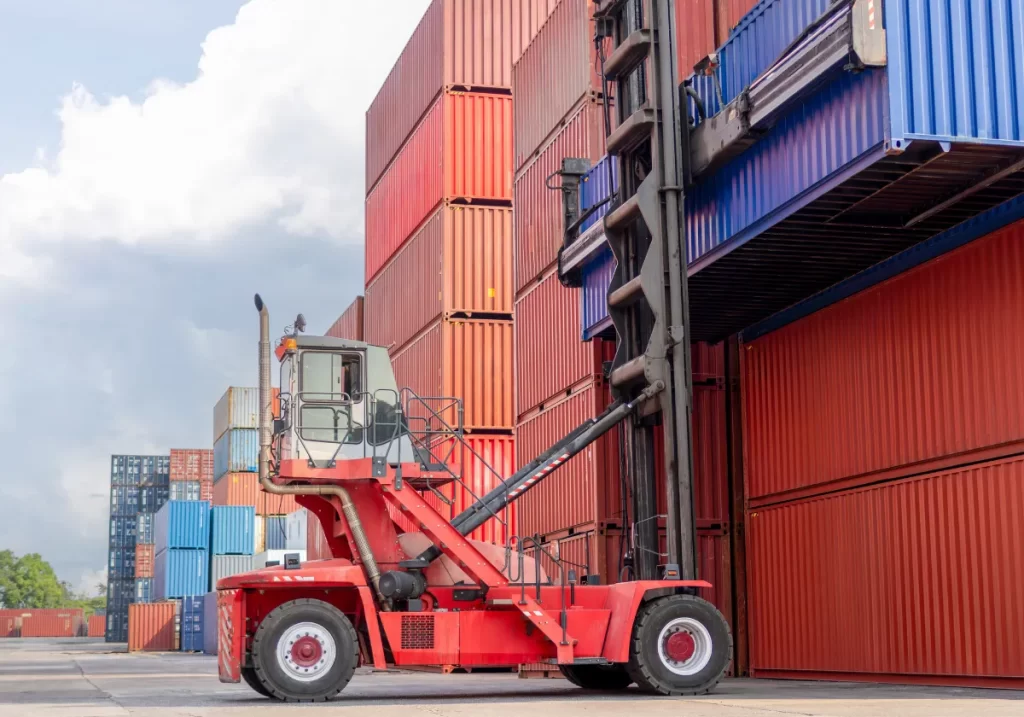
Yard operations are emerging as an unexpected pressure point in 2026 supply chains, with small delays inside the gate now reverberating across transportation and warehouse networks. A new market report from Better Supply Chains finds that inconsistent management, not technology shortages, is driving escalating costs and service volatility.
Persistent Variability Undercuts Network Efficiency
The analysis highlights that operational discipline inside the yard continues to lag behind other parts of the supply chain. According to data cited in the report, an estimated 90% of yards still run without formalized management systems or enterprise standards. Labor decisions often remain reactive, workflows differ between facilities, and performance metrics rarely cascade across the network. Analyst Bart De Muynck notes that while transportation and warehouse teams are increasingly governed by structured KPIs, yard teams often operate in isolation, creating blind spots that make recurring issues difficult to diagnose.
These gaps matter more as networks grow more time-sensitive. When inbound trailers sit unprocessed, dock schedules shift, linehaul assets idle, and warehouses compensate with overtime or buffer stock. Industry sources pointed out that the rise of carrier penalties and stricter detention fee enforcement has made yard timing a financial variable in its own right. Even sites that have adopted yard management technology often do so unevenly, limiting visibility across multiple campuses or third-party locations.
A Hidden Cause of Cascading Service Disruptions
The report emphasizes that yard breakdowns rarely present as yard problems. More often, they surface as missed service commitments, late dispatches, or unexplained warehouse congestion. Recent trade commentary has noted similar patterns at major inland hubs, where inconsistent gate flow has amplified dwell times and strained drayage capacity. In many cases, managers face symptoms downstream without a clear line of sight back to the yard events that triggered them. That opacity makes it harder to quantify the true cost of variability, whether in labor, equipment, or service-level degradation.
To counter this, Better Supply Chains recommends a network-level diagnostic: mapping current yard practices, identifying sites where performance is most erratic, and selecting technology partners that can reinforce standardization. The report argues that consistent governance, not one-off installations, is what enables scalable gains across multi-site operations.
A New Indicator of Network Maturity
One overlooked development highlighted in recent industry reporting is the growing use of dwell-time and gate-throughput data as early indicators of broader network strain. Large carriers and 3PLs have begun integrating these signals into their planning models, treating yard behavior as a leading proxy for how well a shipper manages variability across its network. As more partners rely on these measures, yards are shifting from a background function to a measurable marker of operational maturity, a shift that gives organizations a clearer, more actionable way to demonstrate reliability in an increasingly data-driven logistics ecosystem.