Tariff instability, rising fuel prices, and shifting port volumes are driving a quiet reshaping of the U.S. logistics system. From drayage and warehousing to freight strategy and economic outlook, mid-2025 is proving to be a stress test for cost control, resilience, and realignment.
Tariff Ripples Reach Ports, Prices, and Policy
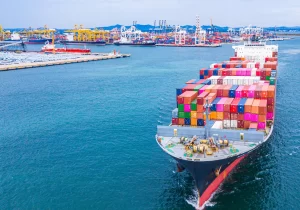
U.S. trade flows are entering a new phase of adjustment as tariff volatility reshapes cost structures and regional activity. According to the July ITS Logistics Supply Chain Report, container imports rose 1.8% month-over-month in June, a counter-seasonal trend likely influenced by the May U.S.–China tariff reduction agreement and a temporary global pause on certain tariffs. West Coast ports saw the sharpest rebound: Los Angeles led with a 29.1% volume increase, while Long Beach and Tacoma followed with double-digit growth. By contrast, major East Coast ports including Savannah, Houston, and Norfolk posted declines, underlining a shift in routing as shippers respond to changing costs and processing efficiency.
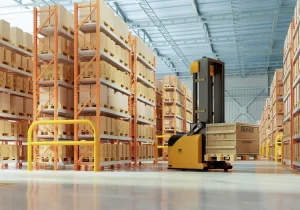
Warehousing providers are facing mounting pressure as the Producer Price Index for the sector declined again, falling 1.4% from May to June. This drop continues a multi-month trend of eroding pricing power, signaling potential excess capacity or margin compression. At the same time, the national average diesel price rose for the third straight week, hitting $3.75 per gallon, its highest point since July 2024. Over a five-week stretch, diesel prices climbed by more than 24 cents, with the Gulf Coast bearing the steepest weekly hike at 7.3 cents. These rising operational inputs are narrowing margins at a time when peak season freight decisions are especially price sensitive.
Economic Crosscurrents Collide With Freight Planning
The broader economic picture remains one of cautious momentum. The U.S. economy grew at an estimated 1.7–2.0% annualized rate in Q2 2025, maintaining a soft landing amid high interest rates and constrained credit. Inflationary pressures, however, are rising again. The Consumer Price Index ticked up in June, with core inflation at 2.9% year-over-year and headline inflation rising 0.3% month-over-month, its largest jump since January. Tariffs on durable goods are now a growing factor in inflation modeling, complicating the Fed’s plans to begin easing rates.
The Federal Reserve is expected to hold interest rates at 4.25–4.50% at its July meeting, maintaining its wait-and-see posture. While markets anticipate potential cuts starting in September, that outlook is contingent on upcoming inflation data showing further signs of deceleration. In parallel, the bond market has already started pricing in future easing, with Treasury yields drifting downward and high-yield corporate bonds outperforming as investor appetite remains strong.
Freight planners also face climate-related disruption risk as NOAA forecasts a 60% chance of an above-normal Atlantic hurricane season. The agency projects 13–19 named storms through November, including 3–5 expected to escalate into major hurricanes. These forecasts carry a 70% confidence level and arrive just as the first named storm, Andrea, was identified over 2,000 miles off Florida’s coast. Inland flooding risks, highlighted by recent storms Helene and Debby, are also prompting preemptive logistics adjustments, particularly for intermodal and coastal supply lines.
Cost Pressures May Outlast the Tariff Cycle
While some recent shifts, like West Coast port rebounds or a strong June stock market, may suggest stabilization, the broader logistics landscape is far from settled. The interplay of energy costs, labor dynamics, inflation pressures, and weather risks is compressing decision-making cycles and forcing operators to rethink their routing, storage, and contract strategies in near-real time. As more firms rely on AI-driven cost modeling and live risk assessments, one overlooked factor may be supplier flexibility: organizations with more nimble and multi-sourced networks are better equipped to absorb tariff shocks without defaulting to price pass-throughs. The lesson isn’t just to anticipate disruption, but to build systems that absorb it.