The viral rise of Labubu has pushed Chinese toymaker Pop Mart into an unusually fast cycle of global expansion. After struggling to keep up with demand in 2025, the company is now reworking its production footprint and retail strategy to support growth beyond a single breakout character, at a moment when investor confidence is becoming more fragile.
The Labubu phenomenon that swept through social media and resale platforms last summer transformed Pop Mart’s profile almost overnight. The 2025 release of Labubu 3.0 added an estimated $1.6 billion to the personal wealth of founder and chief executive Wang Ning, and turned the “ugly-cute” monster into a global collectible. Dedicated vending machines appeared in high-traffic locations such as London’s Selfridges, while queues outside stores became a regular sight across Asia and Europe.
That visibility accelerated Pop Mart’s international store rollout, but it also exposed limits in a supply chain built for controlled scarcity rather than mass-market surges.
From Viral Demand To Network Redesign
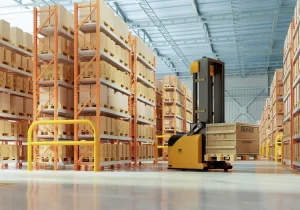
Pop Mart’s immediate challenge was operational. Long wait times, capped online availability, and resale frenzies in mid-2025 underscored how tightly production had been constrained. At the time, monthly output was limited to roughly 10 million units. Following the summer spike, the company tripled capacity to around 30 million units a month, according to company disclosures.
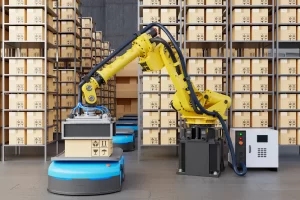
Rather than vertically integrating, Pop Mart relies on contract manufacturers. To reduce bottlenecks and shorten delivery cycles, it has moved beyond its traditional base in China and Vietnam, adding production partners in Cambodia, Indonesia, and Mexico. The shift reflects a broader industry trend toward regionalized manufacturing, particularly for products with volatile demand and short life cycles.
The North American market has been a key driver. Expanding manufacturing closer to end consumers cuts transit time and lowers exposure to shipping disruptions, an issue that became visible during the 2025 surge. Pop Mart said the expansion is intended to strengthen resilience and improve service levels as it scales internationally.
On the retail side, the company operates about 60 stores across the United States, far fewer than its dense footprints in Beijing and Shanghai. Lina Yan, a consumer analyst at HSBC, has noted that store openings have lagged demand in the U.S., suggesting significant headroom if Pop Mart chooses to replicate its China playbook.
Can Diversification Outlast The Hype Cycle?
Operational expansion comes as financial sentiment cools. Pop Mart’s shares are down about 40% from their August 2025 peak, reflecting skepticism about whether Labubu’s appeal can endure. Secondary-market prices, which soared during the height of the craze, have softened as availability improved and novelty waned.
The company is attempting to broaden its growth base. Alongside Labubu, Pop Mart markets characters such as Skullpanda, Crybaby, and Nyota, which contributed meaningfully to fourth-quarter 2025 revenue. New product lines scheduled for early 2026, including themed releases tied to the Lunar Year of the Horse, are designed to refresh demand without overextending a single franchise.
Industry observers remain cautious. Chris Pereira, founder of iMpact, has argued that Labubu’s explosive growth was driven more by virality and the “blind box” mystery format than by deep narrative attachment. Without continuous character innovation, he warns, momentum can fade as quickly as it formed.
Where Operational Scale Quietly Reshapes Demand
As Pop Mart adds capacity and regional redundancy, one subtle effect is greater predictability in availability. In collectible categories, trade reporting and resale data have long shown that purchasing intensity is closely tied to uncertainty around access and timing, not just product design. As lead times shorten and replenishment becomes more consistent, consumer behavior can normalize faster than expected, shifting demand from urgency-driven spikes toward steadier, lower-margin volumes. That dynamic places more weight on disciplined release planning, allocation controls, and lifecycle management than on headline production numbers alone. In practice, the supply chain begins to influence demand formation as much as demand fulfillment.