Automated pallet racking is recasting pallet storage as a governed, data-rich process rather than a manual, equipment-driven chore. As real estate tightens and labor markets stay unpredictable, automation in pallet handling is becoming a structural lever for throughput, safety and capital discipline.
From Static Racks To Governed Pallet Flow
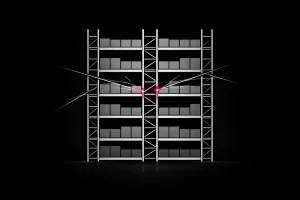
Automated pallet racking uses guided mechanical systems to place and retrieve palletised loads within engineered lanes, under the control of software rather than driver judgment. The core benefit is consistent, repeatable movement that can be modeled, measured and tuned over time.
Conventional racking layouts depend on forklifts working in wide aisles with generous clearance. That geometry caps storage density and introduces congestion risks as volumes climb. Automated installations compress aisle space and exploit vertical height through high-bay designs and deep-lane configurations, allowing more pallets per cubic meter and reducing the need for new buildings in high-rent logistics zones.
When the storage layer connects to a warehouse management system, every pallet movement becomes a traceable transaction. Location, dwell time and access sequence are visible in real time, supporting tighter inventory accuracy and more reliable order release. During peak periods, teams can adjust slotting rules, priorities and retrieval logic digitally while the automated equipment executes the updated plan.
Safety performance also changes character. With fewer forklifts moving inside dense storage zones, exposure to collisions, rack impacts and manual lifting injuries declines. Automated shuttles, cranes or carts work within defined envelopes and validated load limits, which are established during design to meet structural standards and regulatory codes. This creates a more predictable risk profile for health and safety teams and insurers.
Cost patterns shift as well. Capital outlay for automated pallet racking exceeds static steel and basic trucks, yet ongoing spend tilts toward preventive maintenance and software rather than variable labor and damage repair. Industry analyses indicate that in high-volume, stable pallet environments, this mix can shorten payback, particularly when organisations use storage density to defer greenfield or expansion projects.
Designing Storage as a Scalable Platform
The real strategic value of automated pallet racking lies in how it supports change. Systems can start in a semi-automated zone or a single chamber and later extend with additional aisles, shuttles or cranes as volume and product range grow. This modular path fits corporate capital cycles and reduces disruption to ongoing operations.
As portfolios evolve, pallet dimensions, stack heights and throughput patterns often diverge from original assumptions. Modern automated storage platforms allow reconfiguration of rack profiles, adjustment of load parameters and updates to routing rules in software. That flexibility lets teams absorb new product lines, channel mixes or service promises without rebuilding the storage core.
Automated pallet racking also stabilises interfaces with adjacent technologies. When linked to conveyor networks, case-picking robots or cross-dock lines, the system can feed downstream zones at a steady cadence with verified quantities and locations. This predictability reduces the stop-start flow that undermines many warehouse automation initiatives and improves use of installed capacity across the building.
Partner selection becomes a board-level decision rather than a catalogue purchase. Experienced integrators examine inbound variability, outbound profiles, temperature or hygiene constraints and the organisation’s digital roadmap before sizing the system. They model static and dynamic loads, structural conditions and seismic requirements to ensure safe operation throughout the asset life and to keep compliance audits straightforward.
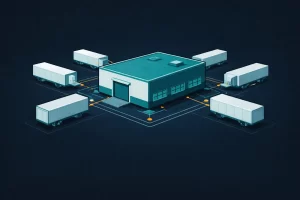
Financial evaluation needs to extend beyond labor savings. Higher storage density can enable consolidation of satellite depots into fewer, better-utilised hubs, which in turn supports fuller transport loads and more effective inventory pooling. The result is an impact not just on warehouse productivity metrics, but on network design, working capital and service reliability into priority markets.
Where Storage Design Meets Network Strategy
A growing body of industry research links warehouse automation to network resilience and service recovery after disruption. Automated pallet racking sits at that intersection: it gives operations the physical structure and data trail needed to reposition stock, test different hub-and-spoke patterns and support tighter customer lead times without constant layout changes. Treating storage design as a network instrument rather than a local convenience brings more of the supply chain under deliberate, modelled control.