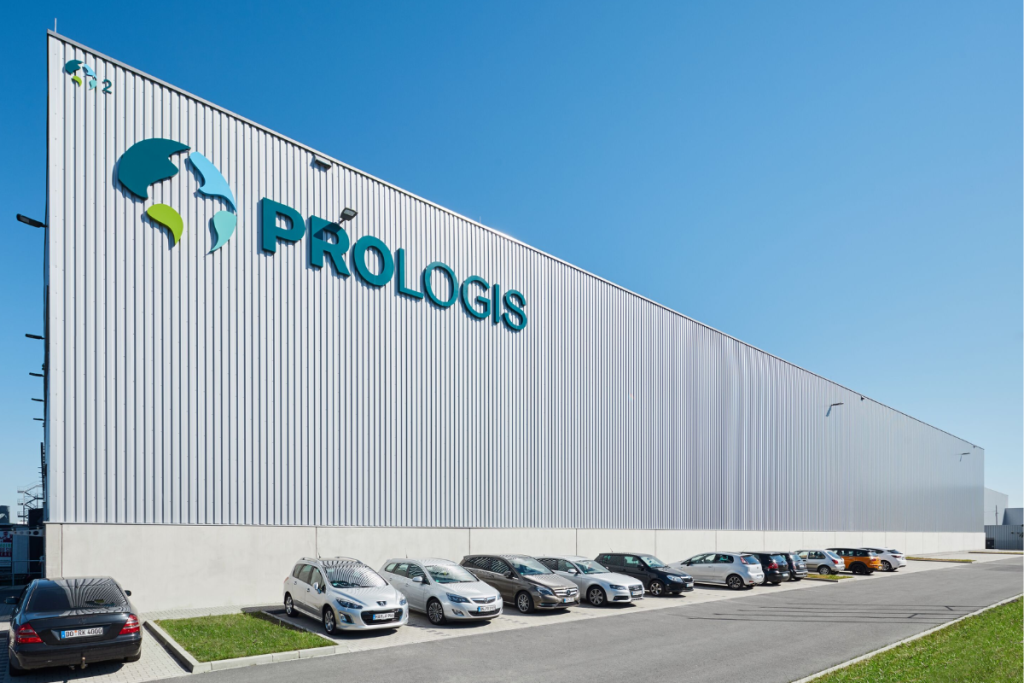
Prologis has spent decades building one of the world’s largest logistics real estate portfolios. Today, the company is pursuing a broader strategy. Rather than treating warehouses, land and energy infrastructure as separate assets, it is increasingly developing them as an integrated platform designed to support both physical supply chains and the growing demands of AI, automation and digital operations.
The shift reflects a broader change taking place across global logistics. Warehouse location is no longer determined solely by transportation costs, labor availability or proximity to customers. As automated facilities, robotics and AI-driven operations become more common, access to power and development-ready sites is emerging as a competitive advantage. Prologis’ latest results illustrate how logistics infrastructure is evolving from a real estate business into a long-term supply chain capability.
In Brief
- Prologis is integrating logistics facilities, powered land and data center development into a single long-term infrastructure strategy.
- Power availability is becoming an increasingly important factor in where future logistics capacity can be developed.
- The model highlights how logistics networks are shifting from short-term real estate decisions toward long-term infrastructure planning.
Warehouses Are Becoming Multi-Purpose Infrastructure
For much of its history, Prologis created value by acquiring, developing and operating logistics facilities in major distribution markets. That remains the foundation of the business, but management increasingly views those assets as part of a much broader infrastructure network.
The company now controls approximately 14,000 acres of land with development potential of around 240 million square feet, alongside a power pipeline that has expanded to 5.8 gigawatts. Rather than treating those resources independently, Prologis is planning future logistics facilities, powered sites and data center opportunities together.
That approach reflects a significant change in how logistics infrastructure is being developed. Warehouses are no longer expected to support only storage and distribution. They increasingly need to accommodate robotics, automated material handling, AI-enabled operations and digital control systems, all of which place greater demands on power and long-term site flexibility.
Power Is Becoming a Supply Chain Constraint
Land has traditionally been the limiting factor in logistics development. Increasingly, power is becoming just as important.
Large automated facilities require significantly more electrical capacity than conventional warehouses, while AI infrastructure and hyperscale data centers are competing for many of the same industrial locations. In many markets, securing utility connections now takes longer than acquiring land itself.
Prologis has responded by expanding its power pipeline well ahead of anticipated customer demand. Management expects most of that capacity to support projects through the remainder of the decade and sees substantially larger opportunities over time as demand for digital infrastructure continues to grow.
For supply chain leaders, the implication extends beyond commercial real estate. Future network expansion may increasingly depend on whether locations have sufficient power to support automation and advanced operations rather than simply whether land is available.
Development Is Moving Further Ahead of Demand
Another notable feature of Prologis’ strategy is the emphasis on preparing infrastructure before customers require it.
The company increased development starts during the quarter across several major logistics markets while continuing to concentrate investment in gateway cities where long-term demand remains strongest. At the same time, Prologis continues expanding build-to-suit projects for customers requiring highly customized facilities.
This approach reduces the time required to deliver additional logistics capacity in constrained markets because land, planning approvals and infrastructure are already in place.
As supply chains become more complex, this longer planning horizon is becoming increasingly valuable. Organizations expanding manufacturing or distribution networks often need capacity quickly, yet entitlement, infrastructure and utility approvals can delay projects for years. Developers with strategically positioned land and secured infrastructure are better placed to respond to those requirements.
Capital Is Being Recycled Into Higher-Value Infrastructure
Prologis is also reshaping its portfolio through disciplined capital allocation.
During the quarter, the company acquired logistics assets that management believes offer stronger long-term value while disposing of properties with lower expected returns. It continues using proceeds from stabilized developments, including data center projects, to fund additional investment in core logistics markets and future development opportunities.
Rather than simply expanding the size of the portfolio, management is concentrating investment where long-term demand, infrastructure constraints and pricing power are expected to remain strongest.
For supply chain organizations, this reflects an increasingly important principle. Infrastructure investment is becoming more selective, with greater emphasis on strategic locations capable of supporting long-term growth instead of maximizing geographic coverage.
Logistics and Digital Infrastructure Are Beginning to Converge
Perhaps the most significant aspect of Prologis’ strategy is the growing connection between physical logistics infrastructure and digital capacity.
Management believes rising investment in data centers will generate additional demand for logistics facilities as equipment, materials and supporting operations expand alongside digital infrastructure. More importantly, both warehouses and data centers increasingly compete for similar characteristics, including reliable power, strategic locations and long-term development potential.
The result is a different way of thinking about logistics nodes.
Instead of serving only as distribution facilities, major logistics locations are beginning to function as infrastructure platforms where warehousing, automation, computing and energy capacity can develop together. That convergence is likely to influence where future investment flows and how companies prioritize network expansion.
Scarcity Is Increasing the Importance of Strategic Locations
Prologis also reported continued high occupancy across its global portfolio, with leasing activity remaining strong despite significant development.
Management noted particularly limited availability for larger facilities in many major markets while embedded rental growth remains substantial across much of the existing portfolio.
Those conditions reinforce an important reality for supply chain leaders. Prime logistics locations are becoming increasingly difficult to replace, particularly when they combine transportation access, labor availability, expansion potential and reliable power infrastructure.
As a result, network decisions are becoming longer-term strategic commitments rather than periodic real estate transactions. Companies may increasingly choose to secure critical logistics nodes years before additional capacity is required because the combination of land, infrastructure and power is becoming progressively harder to replicate.
Infrastructure Is Becoming the Foundation of Future Networks
Prologis’ strategy illustrates how logistics infrastructure is evolving beyond traditional warehouse development. By integrating land, logistics facilities, power capacity and digital infrastructure into a single development model, the company is positioning its portfolio for a supply chain environment where automation, AI and energy availability become increasingly interconnected.
For supply chain leaders, the broader lesson extends beyond real estate. Network design increasingly depends on infrastructure that can support future operating requirements as well as today’s distribution needs. Warehouse selection is becoming a long-term strategic decision that must consider power availability, digital capability and expansion potential alongside transportation costs and customer proximity. Organizations that begin planning around those factors today will be better positioned as logistics networks become more automated, more connected and more dependent on resilient infrastructure.