From climate shocks to tariff volatility, supply chains are being forced into a new phase of reinvention. Organizations are moving past incremental fixes and reshaping their networks into agile, AI-powered, and sustainable ecosystems. According to Capgemini’s latest research, the “new-gen supply chain” now sits firmly among the top three technology trends for 2025, signaling both rapid adoption and rising expectations.
Transformation has advanced sharply in the last three years, progress toward supply chain reinvention has grown from 54% in 2022 to 72% this year, driven by agentic AI pilots, sustainability mandates, and mounting cybersecurity threats. The pivot is not only about digitization but also about embedding resilience and adaptability into the operating model.
Agentic AI and the Digital Backbone of the New-Gen Supply Chain
AI is no longer confined to forecasting or route optimization. Nearly 67% of executives believe agentic AI will boost productivity, while 58% say it will transform core supply chain frameworks. Unlike earlier AI models, agentic systems act with autonomy, negotiating trade-offs, reallocating capacity, and managing supplier risk in real time.
This shift is visible in adoption patterns. Capgemini data shows almost one in ten organizations already use multi-agent systems in supply chain operations, while 27% have formed dedicated AI teams. According to trade reports, generative AI use cases doubled across logistics in 2024–25, with companies applying AI to emissions tracking, risk monitoring, and reverse logistics planning. These deployments increasingly run alongside traditional AI, creating hybrid architectures designed for both stability and adaptability.
Yet integration challenges remain. Executives note that poor system interoperability slows rollout, and the digitization push has amplified vulnerabilities: supply chain cyberattacks surged more than 700% between 2019 and 2022. Only 9% of firms have visibility into cybersecurity risks beyond Tier 1 suppliers, a critical weakness as value chains grow more digitally interdependent.
Sustainability and Risk Management Redefine Cost Efficiency
If AI is reshaping process design, sustainability is reframing cost strategy. Over three-quarters of executives in Capgemini’s survey say sustainable practices reduce costs and drive long-term value, a reversal of the perception that ESG adds expense. New regulations are accelerating the shift. The EU’s Corporate Sustainability Reporting Directive (CSRD), which requires disclosures of Scope 3 emissions starting in 2025, has caught many firms unprepared: just 38% are ready to report downstream emissions.
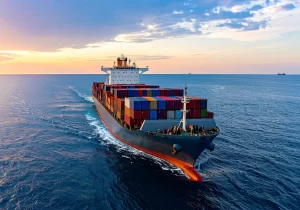
Operational risk is converging with these pressures. Climate events are already redrawing trade flows. The 2023–24 Panama Canal drought cut ship crossings by more than a third, forcing carriers to reroute vessels around the Cape of Good Hope, raising CO₂ emissions by nearly 40%. Wildfires in California this year caused billions in transport infrastructure losses. In parallel, tariff exposure has made diversification strategies non-negotiable, with firms turning to free-trade zones, supplier relocation, and material substitution to preserve margins.
Despite rising wage and freight costs, six in ten executives say their organizations have successfully lowered operational spend through automation, digital twins, and optimized product mixes. Still, almost two-thirds expect costs to climb further, intensifying the need to balance efficiency with resilience.
Beyond Agility: The Overlooked Pressure Point
The debate on the new-gen supply chain often revolves around agility, AI, and sustainability. But an overlooked variable is talent. OECD data projects that member nations will lose 92 million working-age people by 2050. Labor shortages, already acute in logistics, risk becoming the structural constraint that undermines even the most advanced supply chain architectures. Upskilling in digital and sustainability competencies is urgent, yet retention and workforce design are emerging as the harder challenge.
If AI and climate technology define the new-gen supply chain’s digital core, people will define its long-term viability. Ignoring this risk could leave organizations with sophisticated systems but insufficient capability to operate them at scale.