The UN’s latest Sustainable Development Goals assessment shows that climate disruption, geopolitical conflict and shrinking development finance are increasingly converging on global supply chains. As public support weakens and operational risks intensify, procurement and manufacturing leaders are being forced to embed resilience into network design rather than relying on efficiency alone.
Climate, Conflict and Capital Shocks Converge On Supply Networks
The SDG 2026 analysis shows that only 36% of 139 measurable targets are on track or making moderate headway, while 49% advance too slowly and 15% have reversed since 2015. That slowdown is tightly linked to how production and logistics systems absorb climate volatility, regional wars and a rapid fall in international funding.
Energy flows remain a critical hinge point. Since 2015, electricity access has expanded to 92% of the global population and about one-third of power generation now comes from renewable sources, creating new opportunities for low‑carbon manufacturing footprints and electrified logistics. Yet the report highlights that disruptions in key maritime chokepoints are eroding those gains by pushing up fuel and input costs.
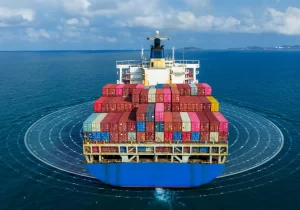
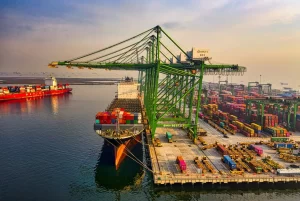
The conflict in the Middle East is cited as a major trigger. Disruptions to shipping lanes, including around the Strait of Hormuz, have constrained movements of fertilisers, sulphur, gas and fuels. That constraint feeds directly into higher production and transport costs for import‑reliant economies, amplifying volatility in both industrial and agricultural supply chains and filtering into inflation.
Food systems illustrate how these pressures accumulate. In 2024, around 673 million people lived with chronic hunger and 2.3 billion experienced moderate or severe food insecurity despite record public agricultural spending of 725 billion dollars. Official figures show agricultural aid to developing countries reached 18.7 billion dollars in 2024, up 42% since 2015, with Africa receiving 8.7 billion dollars, almost double its 2015 level. Even with this capital, productive and sustainable agriculture scores only 3.3 out of 5 against the 2030 target, constrained by weak productivity, poor employment conditions and unequal access to technology and markets.
While the share of countries facing moderately to abnormally high food prices fell from 51.2% in 2023 to 15.3% in 2024, helped by lower fertiliser prices and better harvests, the report frames that relief as fragile. Li Junhua, the UN’s economic and social affairs chief, warns that the gap between pledged outcomes and current trajectory is now both large and consequential. António Guterres stresses that decisions taken this decade will determine whether the past ten years of gains hold or unravel.
Healthcare data in the report underlines the systemic risk when supply resilience and funding diverge. New HIV infections and AIDS‑related deaths have each fallen by more than 30% since 2015, tuberculosis mortality is declining after a pandemic spike and 780 million fewer people need treatment for neglected tropical diseases. Maternal mortality has dropped from 228 deaths per 100,000 live births in 2015 to 197 in 2023, and the share of births attended by skilled professionals has risen from 80% to 87% since 2015. Yet 260,000 women still died from pregnancy‑related causes in 2023, and fragile, conflict‑affected states accounted for 61% of maternal deaths, a sign that medical and pharmaceutical supply chains in high‑risk regions remain thinly buffered.
Digital Infrastructure, AI and The New Procurement Mandate
Alongside physical constraints, the report underlines a decisive shift toward data‑driven sustainability and procurement decisions. Internet penetration has climbed from 40% in 2015 to 74%, enabling more connected manufacturing sites, digital sourcing platforms and real‑time network oversight. The global SDG database has grown from roughly 330,000 records in 2016 to 3.2 million in 2026, giving public and private organizations a deeper evidence base for planning and disclosure.
Artificial intelligence is already threaded into that data fabric. The UN notes that AI tools now support survey and questionnaire design, data collection and cleaning, and large‑scale analysis across about 1,800 documented studies along the survey lifecycle. For operations and procurement teams, that capability opens the door to dynamic risk sensing, automated performance tracking and more granular forecasting of climate and conflict exposure across supplier tiers.
The report also sets a clear governance challenge. Official development assistance fell by 23.1% in 2025, the steepest annual drop on record, hitting national statistical offices and sustainability monitoring just as demand for trustworthy data intensifies. That funding shock lands at the same time as rising expectations from regulators, investors and customers for transparent, auditable Scope 3 emissions, responsible sourcing and resilient energy and health logistics.
This combination of richer data, more powerful analytics and weaker public funding shifts the burden toward corporate decision makers and technology partners. The UN calls on governments, businesses and providers to deploy AI transparently and responsibly, while continuing to invest in digital infrastructure, cross‑border data collaboration and long‑term planning capabilities across procurement, manufacturing and energy systems.
Resilient Supply Chains Will Be Built, Not Assumed
As the path to the 2030 Sustainable Development Goals becomes more uncertain, supply chain resilience will depend on deliberate investment in diversified sourcing, digital visibility and climate-aware network design. Organizations that integrate sustainability, AI-enabled risk intelligence and long-term supplier development into procurement and manufacturing decisions will be better positioned to protect continuity, manage volatility and create durable competitive advantage in an increasingly constrained operating environment.