A new trade pact between the U.S. and European Union is redrawing the procurement map, introducing 15% tariffs on EU exports and mandating large-scale European purchases of U.S. energy and defense goods. The deal is fueling cost concerns and strategic recalibration across key sectors.
Tariff Pressures Trigger Sourcing Realignment
The US-EU trade agreement, announced by President Donald Trump and European Commission President Ursula von der Leyen at Trump’s Scottish resort, imposes a 15% tariff on most European exports to the U.S., a move that could significantly shift procurement dynamics across key industries. While the rate is lower than the originally threatened 30%, it surpasses pre-2024 levels and adds substantial pressure to cost structures for European manufacturers and exporters.
To soften the blow, the EU has pledged to invest heavily in U.S. sectors, committing $750 billion to American energy and semiconductor purchases, along with an additional $600 billion in defense procurement and industrial collaboration. These concessions have drawn criticism from economists and industry leaders who argue the deal skews in favor of U.S. interests.
Germany, home to Europe’s largest export-oriented industrial base, is expected to be particularly hard-hit. Wolfgang Niedermark of Germany’s BDI industry federation warned that even a 15% tariff would “have immense negative effects” on German manufacturing competitiveness, compelling procurement teams to reexamine supplier networks, inventory strategies, and landed cost models.
Some sectors have been partially shielded, semiconductor equipment and select chemicals are exempt, but others, including pharmaceuticals, will face the full 15% levy. Procurement leaders in these sectors must now weigh supplier diversification against regulatory complexity and margin compression.
Procurement Response Varies by Sector and Market Exposure
The deal’s consequences will be unevenly distributed across industries, creating complex recalibration challenges. Germany’s automotive sector, already grappling with EV transition costs, now faces additional headwinds as uniform 15% tariffs cut into U.S. export margins. While U.S. automakers gain from regulatory harmonization, European OEMs must navigate margin erosion and sourcing shifts.
Meanwhile, U.S. agriculture is poised to gain preferential access to European buyers, opening the door to new procurement relationships across food processing and retail supply chains. Procurement teams in Europe’s food and beverage sectors may need to explore American suppliers to offset input cost volatility, particularly as the deal also lowers compliance hurdles on select U.S. agricultural imports.
Tariff implementation timelines and classification ambiguity continue to frustrate procurement planning. Categories such as wine, spirits, and specialty goods remain under review, creating uncertainty for sourcing teams managing global portfolios. Steel and aluminum tariffs remain high with no resolution in sight, leaving buyers in construction and heavy manufacturing sectors exposed to price swings and constrained supply options.
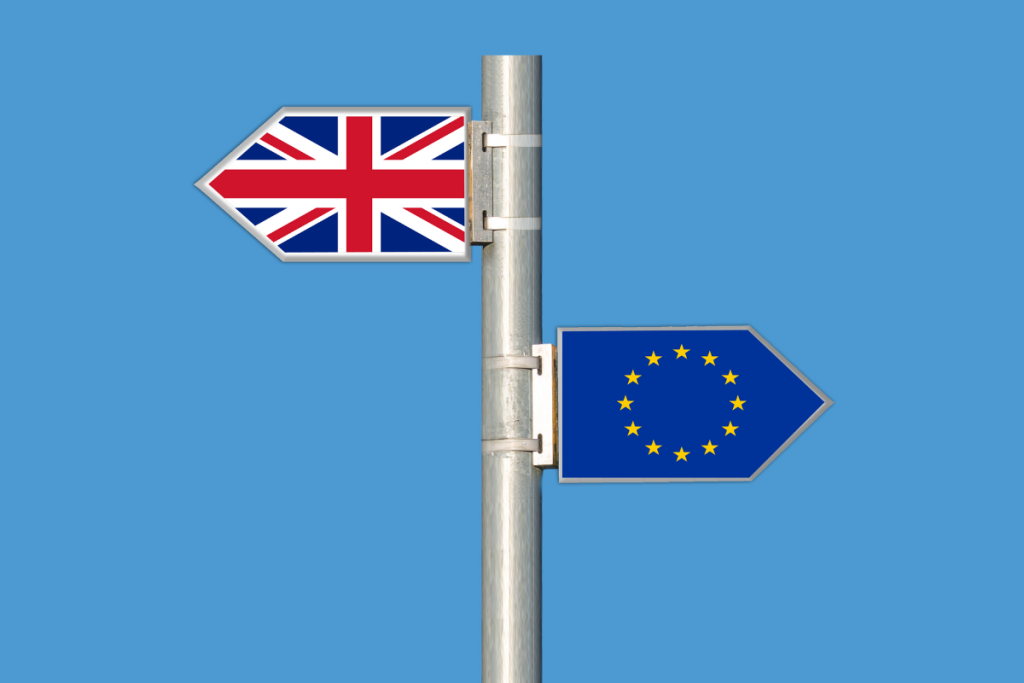
For Irish companies, the policy creates a unique competitive disadvantage. While firms in Northern Ireland benefit from the UK’s 10% tariff agreement with the U.S., Irish companies face the full 15% rate, reviving post-Brexit tensions and raising procurement questions around cross-border strategies and legal entity structuring.
An Uneven Playing Field Demands Precision, Not Panic
While EU leaders have framed the pact as a pragmatic move to maintain transatlantic stability, procurement teams face a far more tactical challenge. With U.S. tariff revenue projected at $90 billion annually and European firms absorbing the bulk of cost exposure, near-term procurement priorities must center on risk triage, contract renegotiation, and regional supplier development.
What’s less visible, but equally critical, is the structural shift this agreement signals. Instead of restoring global tariff harmony, the deal formalizes asymmetry as a feature of modern trade relationships. For procurement teams, that means the margin game is no longer about cost alone, it’s about speed, optionality, and the political intelligence to stay ahead of what comes next.