Shein is preparing to open its first permanent stores in France, marking a major step in its bid to blend online dominance with a physical retail presence. The move comes as Europe’s largest fast-fashion markets tighten oversight on low-cost apparel, creating both an opportunity and a challenge for the Chinese retailer.
Department Store Partnerships to Anchor Entry
Shein will begin its rollout in Paris, placing outlets inside established department stores before expanding to cities including Dijon, Reims, Grenoble, Angers, and Limoges. The company has signed a partnership with Société des Grands Magasins, operator of the BHV Marais and Galeries Lafayette stores in Paris. By entering France first, Shein aims to tap into one of the world’s most influential fashion ecosystems and reinforce its brand visibility beyond the digital realm.
The strategy reflects a broader push by online-first retailers to invest in brick-and-mortar formats that enhance brand legitimacy and reduce reliance on digital-only customer acquisition. In recent years, peers such as Zalando and Boohoo have also experimented with physical pop-ups and shop-in-shops, a shift driven by consumer demand for faster returns, instant pickup options, and a more tangible retail experience.
Expansion Plan Meets Political and Social Headwinds
Shein’s timing coincides with rising political scrutiny of ultra-fast fashion. In June, France’s Senate passed legislation targeting companies like Shein and Temu, proposing curbs on advertising and stricter sustainability rules to combat overproduction and waste. Shein has consistently faced criticism over labor practices and environmental impacts, issues that could complicate its retail expansion in Europe.
At the same time, the company is under pressure to diversify geographically. Reports indicate Shein is considering moving its headquarters back to China ahead of a Hong Kong listing, highlighting how regulatory landscapes in different markets are shaping corporate strategy.
Physical Stores as a Supply Chain Test Case
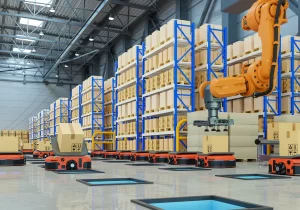
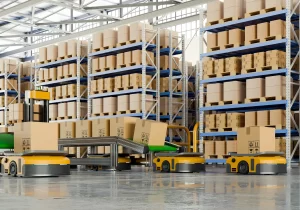
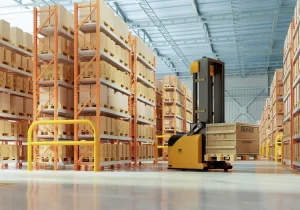
If Shein follows through on its French expansion, the real operational strain will likely come not from store openings themselves but from integrating them into a supply chain designed for direct-to-consumer e-commerce. Brick-and-mortar formats demand consistent inventory flow, local distribution nodes, and rapid replenishment models that differ from bulk cross-border shipments. Competitors like Inditex and H&M have long built supply networks around this hybrid model; whether Shein can adapt its ultra-fast, low-cost sourcing to meet these more complex requirements will determine if its European experiment scales beyond a handful of stores.