Seasonal hiring is climbing ahead of Black Friday and Christmas, reversing a mid-year slowdown. But new data from Randstad shows that the rebound obscures long-running labor shortages and a growing skills gap as automation reshapes warehouse and transportation roles.
Short-Term Hiring Lifts Volumes But Not Workforce Capabilities
Randstad’s latest labor market analysis shows logistics hiring accelerating through the second half of the year as companies gear up for holiday peaks. Permanent global job postings rose 16% year-over-year, climbing from 396,000 in June to 461,000 in September, while U.S. temporary postings for warehouse logistics roles have jumped more than 150% over two years.
The surge aligns with expected spikes in parcel movement during Black Friday and Christmas. But Randstad notes that the rebound conceals persistent labor shortages: 76% of logistics companies report difficulty finding talent throughout the year, not just during peak season. The challenge is particularly acute in roles requiring sustainability expertise, where demand is rising but candidate supply remains limited.
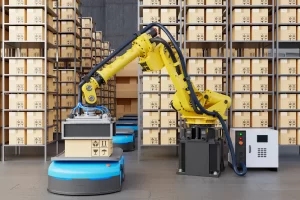
This trend reflects broader shifts seen across major carriers and third-party logistics providers. Recent industry disclosures show continued investment in automated picking, robotics coordination systems, and electrified fleets, capabilities that require workers who can combine operational experience with data, systems, and diagnostic skills. Seasonal hiring fills headcount gaps, but it does little to prepare workers for these new job profiles.
Automation Outpaces Workforce Readiness
Three in five logistics roles are expected to transform due to AI and automation, according to Randstad, yet only 28% of workers said they have access to upskilling. The gap leaves companies at risk of underutilizing new digital systems and eroding productivity gains.
Randstad CEO Sander van’t Noordende said the shift is reshaping job expectations across warehouses, hubs, and delivery routes: “This isn’t just about finding more drivers or pickers for the holidays; it’s about structural changes. The worker who used to lift boxes now has to run more complex systems.”
While investment in robotics and workflow orchestration tools continues, companies still rely heavily on manual staffing during peak periods. Workers surveyed cited limited career progression as a key reason they would leave roles, with 30% expressing intent to exit due to lack of advancement opportunities. Compensation remains a parallel pressure point: 46% of workers feel underpaid and 49% have left past roles due to pay concerns, according to Randstad’s 2025 Workmonitor data.
As parcel volumes rise, driven by expanding cross-border e-commerce and year-round promotional calendars, labor strain is becoming a structural risk rather than a seasonal fluctuation.
A Shift From Volume Hiring to Capability Building
Rather than simply boosting headcount ahead of demand peaks, logistics firms may need to rethink workforce development as a strategic investment on par with automation spend. For example, several leading parcel carriers have publicly highlighted investments in control-tower analytics, automated sortation, and real-time delivery routing; however, many have not made equivalent public commitments to large-scale skilling initiatives tied to those systems.
A widening gap between digital maturity and workforce capability could slow throughput at critical nodes, from fulfillment centers to last-mile depots, regardless of automation investments.